
The Headline: The last couple weeks felt like a spin out, so I went back to the fundamentals.
It took doubling down on the basics of coaching and managing to get through it. Which is why I've been writing more about the things I keep repeating, the stuff I wish I knew early in my leadership career.
Posts
August 2026 Review — Wedding venue quotes that would not line up side by side, and a getaway to Cape Cod.
People Debt — The coaching and feedback I skip adds up the same way tech debt does. This is how I build paying it down into how I manage.
Comparing Yourself to Others — Watching a peer go deeper technically can make you feel behind. I wrote about why that comparison is unfair and the one question I ask instead.
Take a Breath — A short one on walking away from the thing making you angry before you reply to it.
Book Review: The Reverse Centaur's Guide to Life After AI — Cory Doctorow on the difference between using AI and being used by it. Two quotes that stuck with me and who I think should read it.
Books That Stuck
The last couple of months I've read some books that I've really enjoyed. From sci-fi to biographies and hospitality. This has made up for some of the bummers from the previous months.
Unreasonable Hospitality by Will Guidara. He took over Eleven Madison Park at 26 and eleven years later it was named the best restaurant in the world. The part that transfers to any team is his 95/5 rule: manage 95% of the budget tightly so you can spend the last 5% on things people will remember.
3zekiel by Peter Cawdron. Another one from his First Contact series that I hadn't read yet. It was fun, but a little flat.
Fans First by Jesse Cole, the owner of the Savannah Bananas. He goes through every part of a baseball game from the fan's seat and removes whatever is annoying about it. Reads like the ballpark version of Unreasonable Hospitality.
Kitchen Confidential by Anthony Bourdain. The memoir that launched his career, about life on the line in restaurant kitchens. Under all the chaos, his kitchens ran on people showing up on time and doing the job the same way every night. Had to finally read this after watching Tony, which is a terrible representation of his life.
Food for Thought by Alton Brown. His first essay collection, covering food, cooking, and his career, including his search for the perfect roast chicken. I really enjoyed this book, same as I have his YouTube channel lately.
Apostles of Mercy by Lindsay Ellis. Third book in the Noumena series, the alternate history first contact story that started with Axiom's End. Cora Sabino and the alien Ampersand are back, this time dealing with enemies out for revenge on Ampersand's kind. This might have been the best book in the series. Amazing writing, engrossing details and story. I didn't want to stop reading it.
A Short Stay in Hell by Steven L. Peck. A 110 page novella about a man who wakes up in a hell that is one enormous library, and the only way out is finding the book that tells his life story. It makes you feel how big a finite number can be. I cannot overstate how good this book is. Thought provoking and deep in so few pages.
The Troop by Nick Cutter. A scout troop goes on a weekend camping trip to an island off Prince Edward Island and a starving stranger shows up carrying something awful. Great quick read for spooky season.
Some Links
Your Human-in-the-Loop Is Exhausted — Spiros Xanthos on what AI did and didn't speed up. Writing the code got faster, but the review, security checks, and rollback planning still land on a person, and AI code has no author you can ask why. His best line is that AI writes a payment flow and an internal dashboard with the same confidence and can't tell you which one can afford to be wrong.
Can the 'Human in the Loop' Actually Change the Outcome? — Precious Temowo starts with a recruiting bot that cancelled an interview hours beforehand and never mentioned the role was already filled, then asks what the human in the loop was actually there to do. The test has four parts: context, capacity, authority, and accountability. If the person can't see what happened, has no time to review it, and can't change the outcome, they are "simply standing beside it." It's the Xanthos piece from the other side of the workflow.
Your Version Number — An older one from Jamie Thingelstad, who applies semantic versioning to a person. Major versions are the big life shifts, minor versions are new skills, and the patch number is the days since your last birthday, one small fix a day.
If Your Team Is Happy, Are You Doing Your Job? — Charity Majors, in part three of a back and forth with Dr. Cat Hicks. "Making your team happy is not the job." Psychological safety matters because it lets people learn and perform, and learning is usually uncomfortable.
Lower the Pressure in High-Stakes Situations — Jason Feifer on what he calls high-stakes thinking, the belief that what happens next will change everything. His fix is to picture the outcome you're afraid of and then ask what good, realistic things could still happen after it.
Notes on Incidents — Sean Goedecke says the first thing you should do in an incident is nothing. Most systems recover on their own and most rushed fixes make it worse, like the engineer who cleared a queue and took the billing jobs with it. It's the same advice as Take a Breath, just for servers.
This Timeline Is Intense — Dan DiGangi with a short, honest post about how heavy the last few years have felt. He doesn't pick a side, he just asks for empathy toward other people and some compassion for yourself.
Being a Great Engineering Mentor — Practical mentoring advice from an engineer who isn't a manager. Don't tell a mentee a ticket is hard, let them surprise you. Point them at the relevant code, give them an hour before you pair, and call out the effort in standup however it went.
Don't Bring Sensitive Data to a Border Crossing — Ben Werdmuller on phone searches at the border. His point is that your best protection is having nothing to protect, so log out of email, calendar, and file sharing before you travel and be picky about what's on the device.
I Don't Want to Read What You Didn't Write — Colin Breck on the flood of AI-written design docs and PR summaries that nobody can engage with because there's no person behind them. He still uses AI to check claims and citations, but he writes the thing himself.
Life Lately
September and October were packed with sporting events, trips, and getting things done around the house. On top of a busy work schedule for the both of us, its nice to just focus on the space in between.

Had a quick trip out to SF for annual planning and had some of the best weather I've experienced there in years. I was also able to stop by my favorite cocktail lounge and have a couple of the best Negronis I've ever had.

Got all my windows replaced in September. The old ones were unusable, and the new ones went in just in time for the amazing fall weather in Chicago, where we've kept them open 85% of the time.

Speaking of fall, it's my favorite time to take walks with the dog. A hoodie and shorts, cooler weather, and some sunsets.
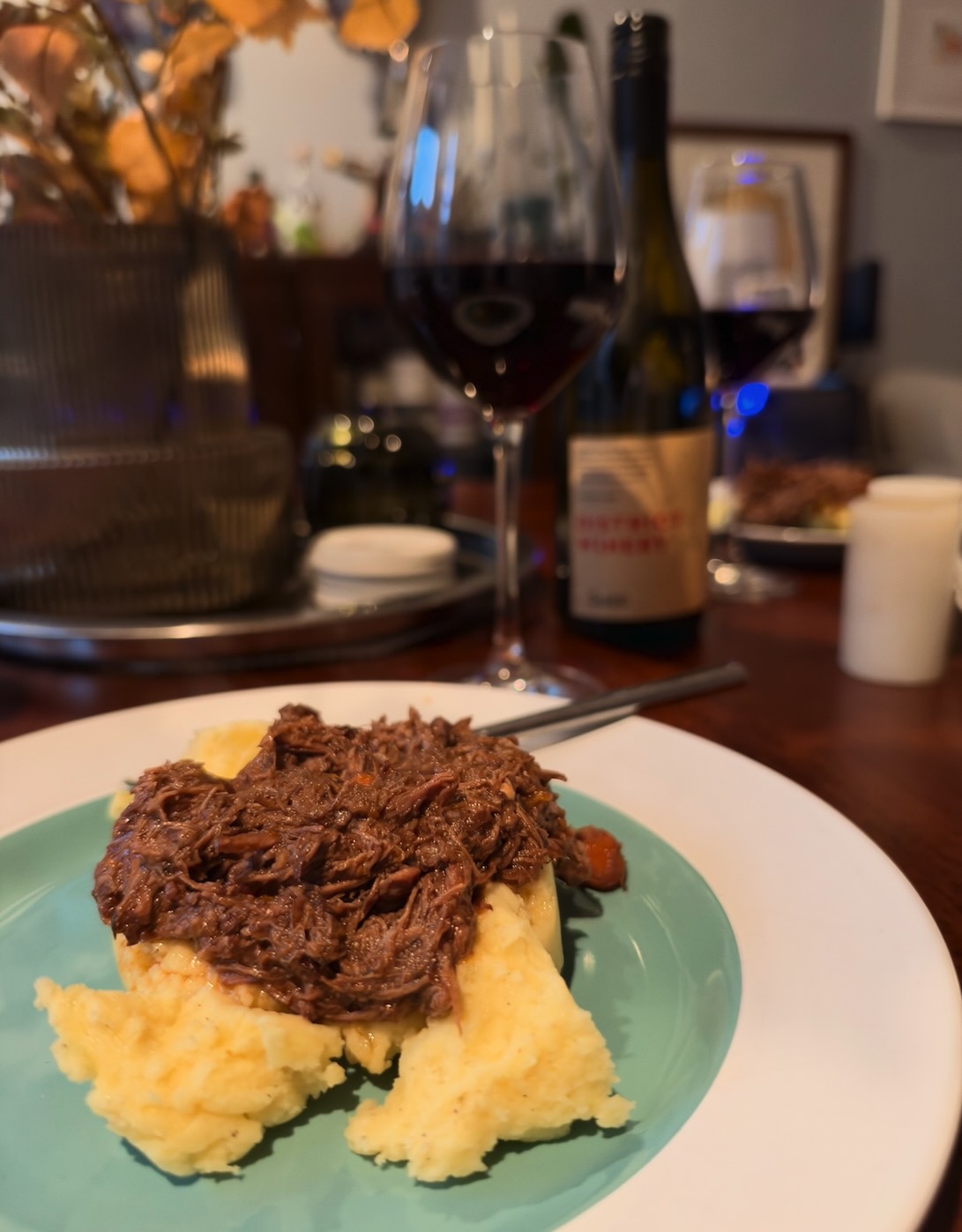
Made a few dishes the last couple months, including my Roasted Tomato Soup, some egg salad sandwiches on delicious sourdough, and this red wine braised beef with potatoes.

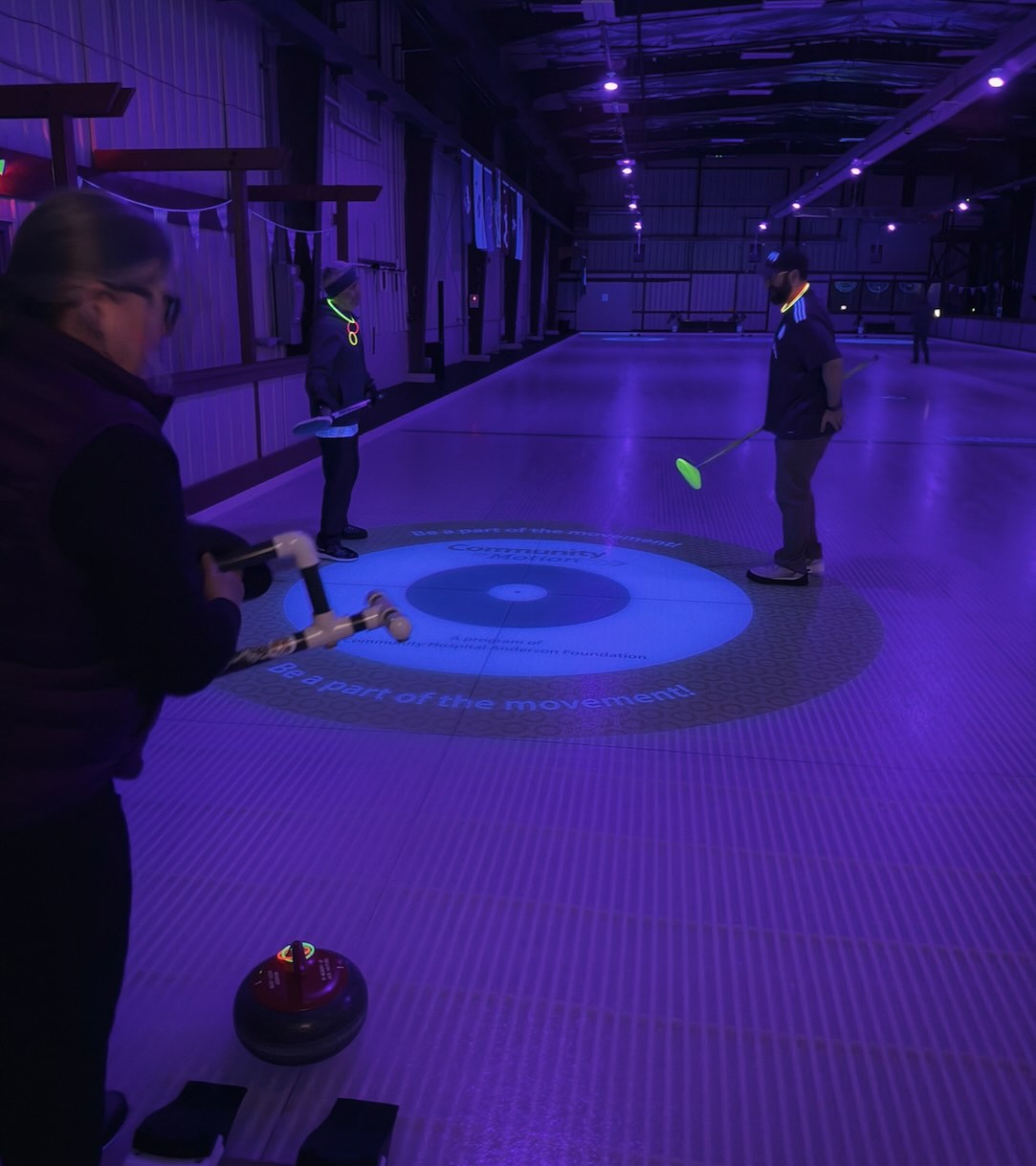
Curling season has finally started! Played in a couple bonspiels this month and started league play. Need to practice accuracy a lot more. But it was a good chance to test out Hogline and get to know more people from the club.
One Thing to Carry Forward
I wrote about people debt in October and then noticed how much of it I was carrying. In November every 1:1 gets one piece of real feedback, even a small one. I'm continuing this series of posts this month as I think about how to enable leaders.